My last blog, Dating – Part One, was all about what to do when you come to the end of a big absorbing project and are not sure how to fill the new void. That’s where I found myself after finishing How I Learned to Stop Saluting Magpies, – in need of a break from writing, and a long think about what to write next. Even whether to write.
This break has resulted in a surprisingly satisfying uncreative autumn and early winter. Except I suppose it hasn’t been uncreative really because that human drive to create is always there in all of us, even when it’s not actually producing anything that anyone else is aware of. And during these quiet months I’ve had Julia Cameron’s The Artist’s Way by my side. This 12-week programme claims to have helped millions to discover and recover their creative self, whether that’s writing, painting, photography, needlework, music, baking, gardening or any of the many other ways that humans express themselves and explore ideas. I came across it because many of my writing friends have, at some point, tried it.
I didn’t follow all the suggestions but overall it’s been well worth doing, and I did practise the two main pillars of the programme. One is morning pages – free flow writing about whatever comes into your head. I don’t always have the time to do this but can see the benefit, as unexpected ideas and thoughts pop up, as if from nowhere. The other tool, artists’ dates, has gradually revealed its value. This is when you set aside a minimum of two hours, once a week, for doing something that feeds you. Julia Cameron describes it as an excursion or a play date that you preplan and the key thing is that you must do it on your own. ‘Resist all interlopers,’ she says. ‘And don’t worry if any of the dates seem silly. Creativity is a paradox. Serious art is born from serious play.’

In Dating – Part One I wrote about my first artist date, which was a delight. A slow, solo lunch in a French restaurant, that changed my attitude towards mussels. And now I’ve reached the end of the programme and so that means I have had twelve dates with myself. They’ve included a couple of amateur theatre outings, an exhibition about the background women in Jane Austen’s novels, a guided walk around Southampton, an art study day, a book launch in a Winchester bookshop, and some lunchtime folk music at the local university concert hall. That last one took me outside my comfort zone as I’ve never been into folk but I’m so glad I went, as I really enjoyed it. The only real disaster was a treasure hunt using an app on my phone. Boo to that one. Having paid my fee and got myself to the start of the trail, I couldn’t find the first clue and it refused to let me progress to the next one unless I took some selfies of myself ‘enjoying’ the wonderful app. Boo again to that one.
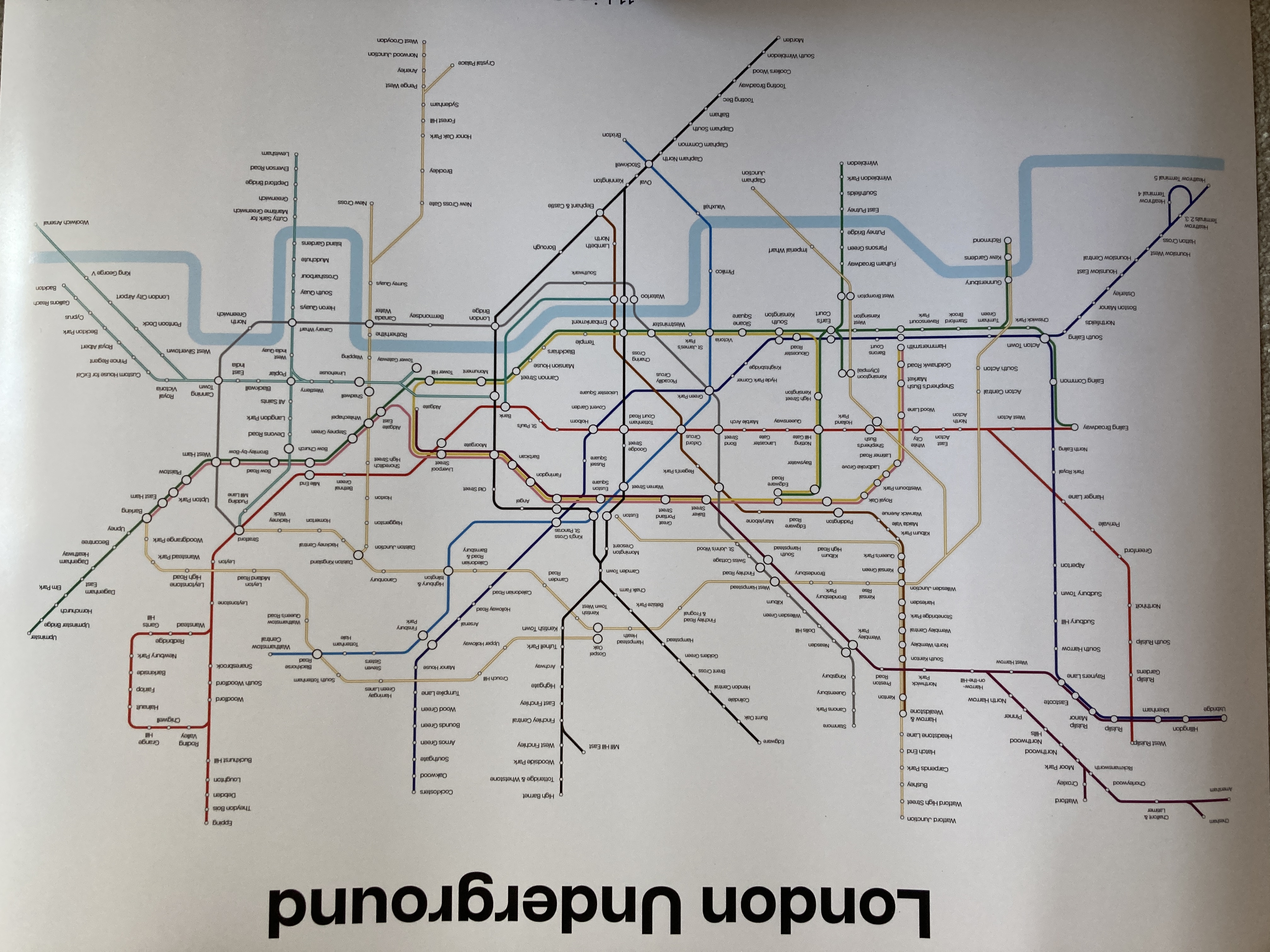
The ones I particularly enjoyed, were both in London. Neither was the main reason for being in the capital but they were each stimulating and added extra pleasure to a couple of days out. One was a stroll around Marylebone with a London Walks book. It did an excellent job of guiding me towards charming Georgian squares and pointing out things of historic interest. The other took place on the South Bank. I headed for the BFI (British Film Institute) building and at the entrance I was greeted by a woman in a smart jacket, black trousers and a white shirt, carrying a short-wave radio and wearing an earpiece. ‘Hello,’ she said. ‘Are you here for the summit?’ I wasn’t but it was a reminder that this building is at the heart of the British film world. She directed me down a side road to the BFI cafe where I sipped my oat cappuccino and relished being in a place where everyone looked animated and interesting. But it was the Mediatheque I was there for and it didn’t disappoint. Anyone can just walk in and take a seat at one of the booths which each have comfortable seating, a screen and headphones. There you have a choice of 180,000 items in the BFI Archive and it’s all free. Where to start? I dabbled with the finale of the influential 1950’s science fiction saga, Quartermass and the Pit; a boundary-pushing episode of Armchair Theatre that explored racism in a white working-class family, and a docu-drama about Cromwell’s determination to kill King Charles I. It was wonderful but rather overwhelming so in the end I decided to search for the item that was closest to my birthdate in 1959.
It turned out to be a documentary that was aired the day after I was born. Reporter, Michael Ingram joined a team of dustmen on their round in Westminster Public Cleansing and Transport Department. There were no wheelie bins then, just the round, dented metal dustbins I remember from childhood. No compressor on the lorry, and no safety gloves for the workers. They were all white, with bad teeth and they spoke deferentially to the posh presenter in his smart overcoat. ‘Yes sir.’ ‘No sir.’
I finished off with a documentary that was shown at the end of 1959. It was an overview of that decade when I was born and which I’m fascinated by – perhaps because I’d been on earth for less than a year when it ended and so I don’t have any of memories of it. Made by Granada TV, it was hosted by Ian Carmichael with shiny Brylcreemed hair and a perfectly knotted tie, and interspersed with upbeat jazzy music. He delivered the good news that for the first time in many years there was nowhere on earth where British soldiers were fighting, and then noted the rise of various personalities through the fifties – Kenneth More, Pat Smythe, Tommy Steele, Stanley Matthews and Princess Grace of Monaco. He called Khrushchev, ‘a dictator with the face of a children’s party balloon.’ ‘We became more real about ourselves during this decade.’ breezed Carmichael, contrasting clips from two films. Spring in Park Lane at the start of the decade – all careful manners and romantic lighting – with rough-edged, sexy Room at the Top in 1959. It was The Dull Decade according to Nancy Mitford, while the Archbishop of Canterbury called it The Selfish Age. It was a fascinating insight into the history of the time but as I had a lunch date with my cousin, I tore myself away.
The value of these solo expeditions is that they helped to clarify what I’m really interested in. It’s not writing fiction that makes me happy – at least not at the moment – but instead it’s a mix of social history, lots of walking, exploring new areas, and discovering unexpected curiosities and treasures. And where better to do that than London where I lived and studied for years, and which has a claim on my heart. I know I’m happiest when I have a project to get my teeth into. But I also want some balance in my life. So I have a plan. Thirty day trips on my own over the next couple of years. There is a unifying theme, and purpose to it all but I won’t know if that will work until I try it. I expect it will need to be tweaked and it might not turn out how I expect. In fact it almost certainly won’t. But that will be a story in itself. I start tomorrow. Nothing like a New Year for a new project. And I can’t wait.
Wishing you many good things in 2026 and as always, thank you so much for reading this.

 Treats and More